HOME / BLOG
FIELD NOTES
Engineering notes from the rack-power floor.
Short briefs on the numbers reshaping AI data center power — 800-volt in-rack buses, rack-native backup, 142-kilowatt racks — written by the people who quote, build and burn-in the hardware, with a source domain on every claim. New notes land as the floor ships them; no filler, no recycled press releases.
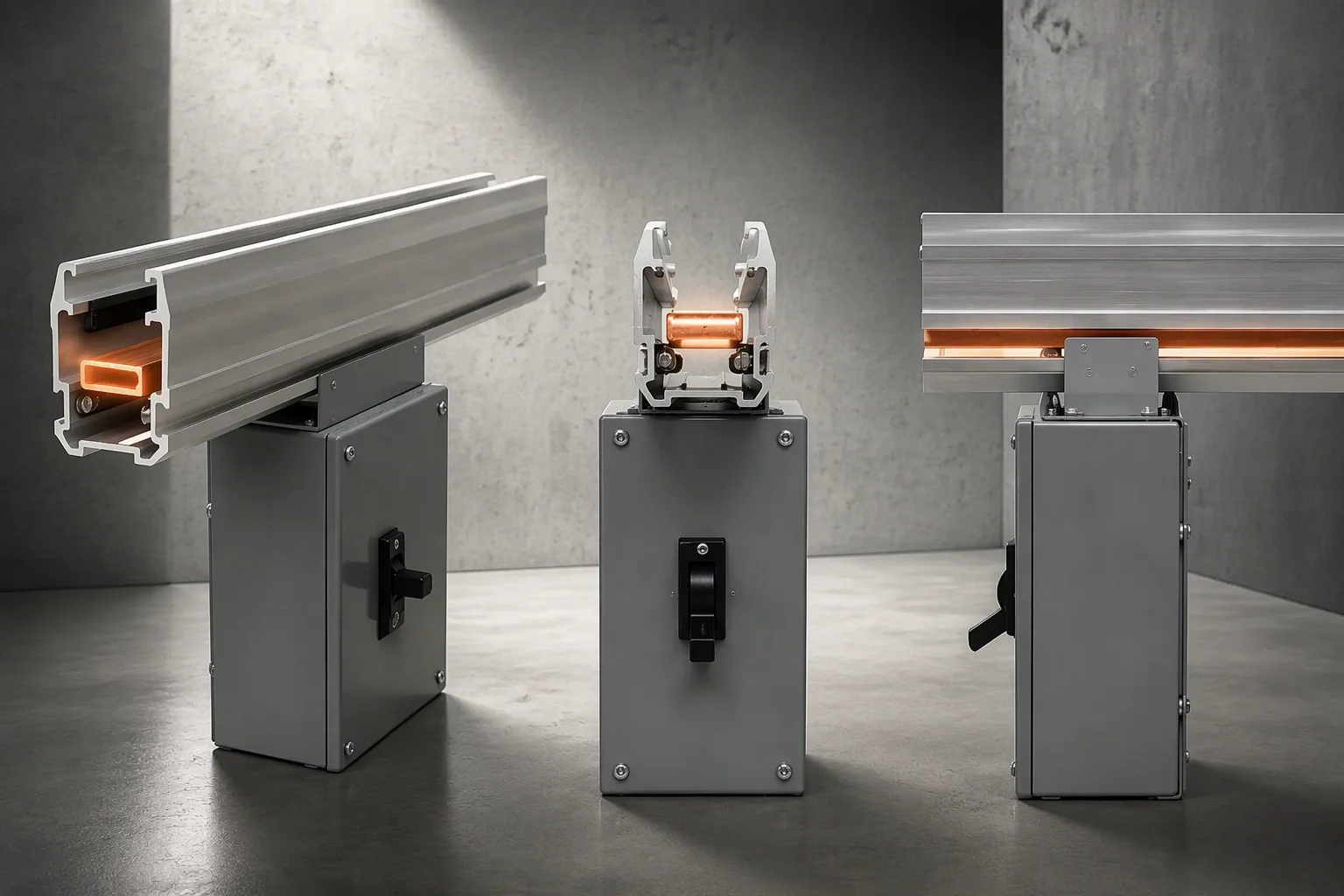
800VDC Power Architecture Explained for AI Data Centers
From 12V boards to GB300's in-rack 800V busbar — how the conversion chain collapsed, and what the ±400V/800V move changes for the busway, PDU and PSU on your next BOM.
Read article →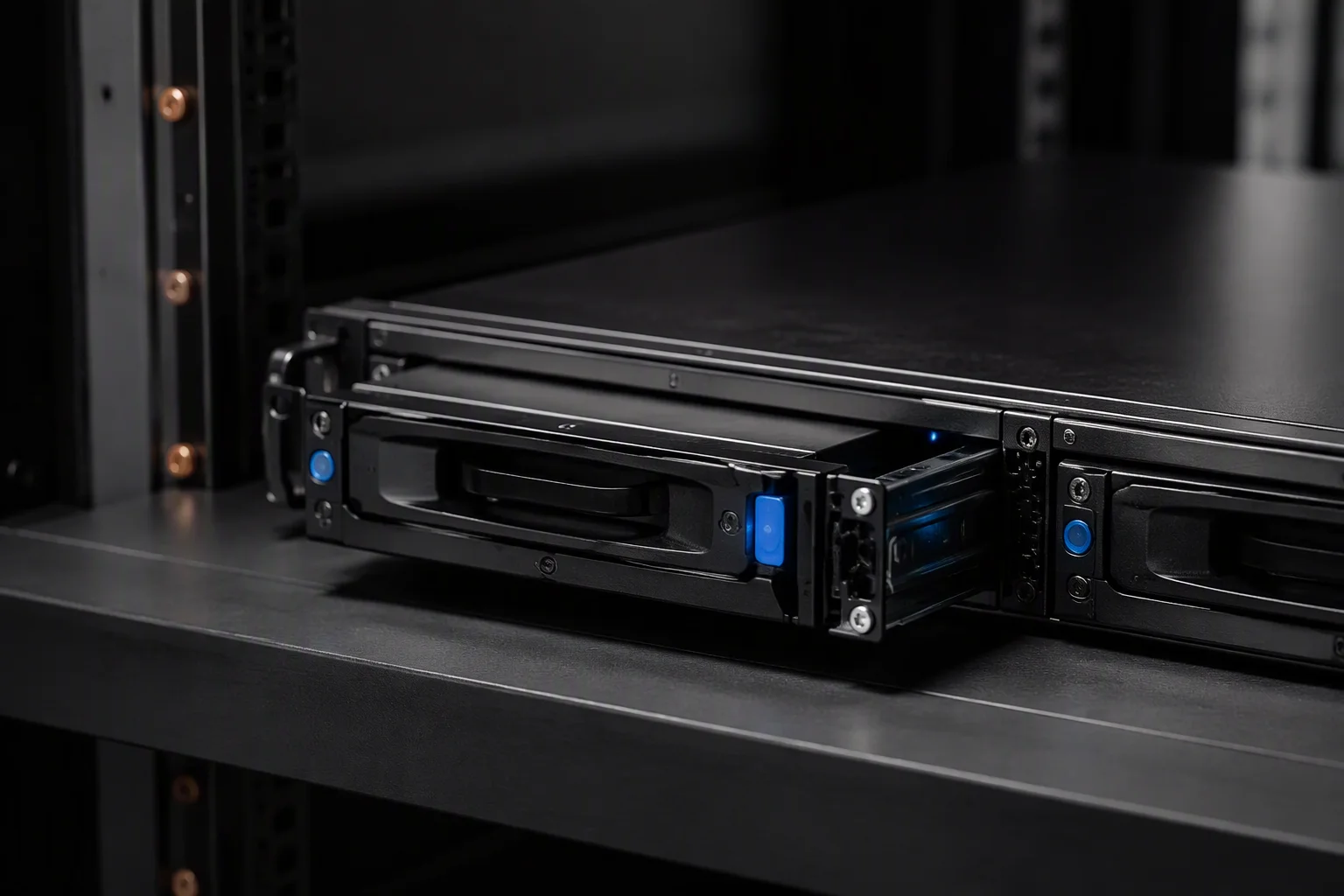
BBU vs Traditional UPS: Rack Backup for the AI Era
Centralized UPS strings answer in minutes; GPU loads step in seconds. Where the 51.2V LFP rack BBU wins across latency, efficiency, floor space and scaling — plus the UL 1973 / UN38.3 paperwork.
Read article →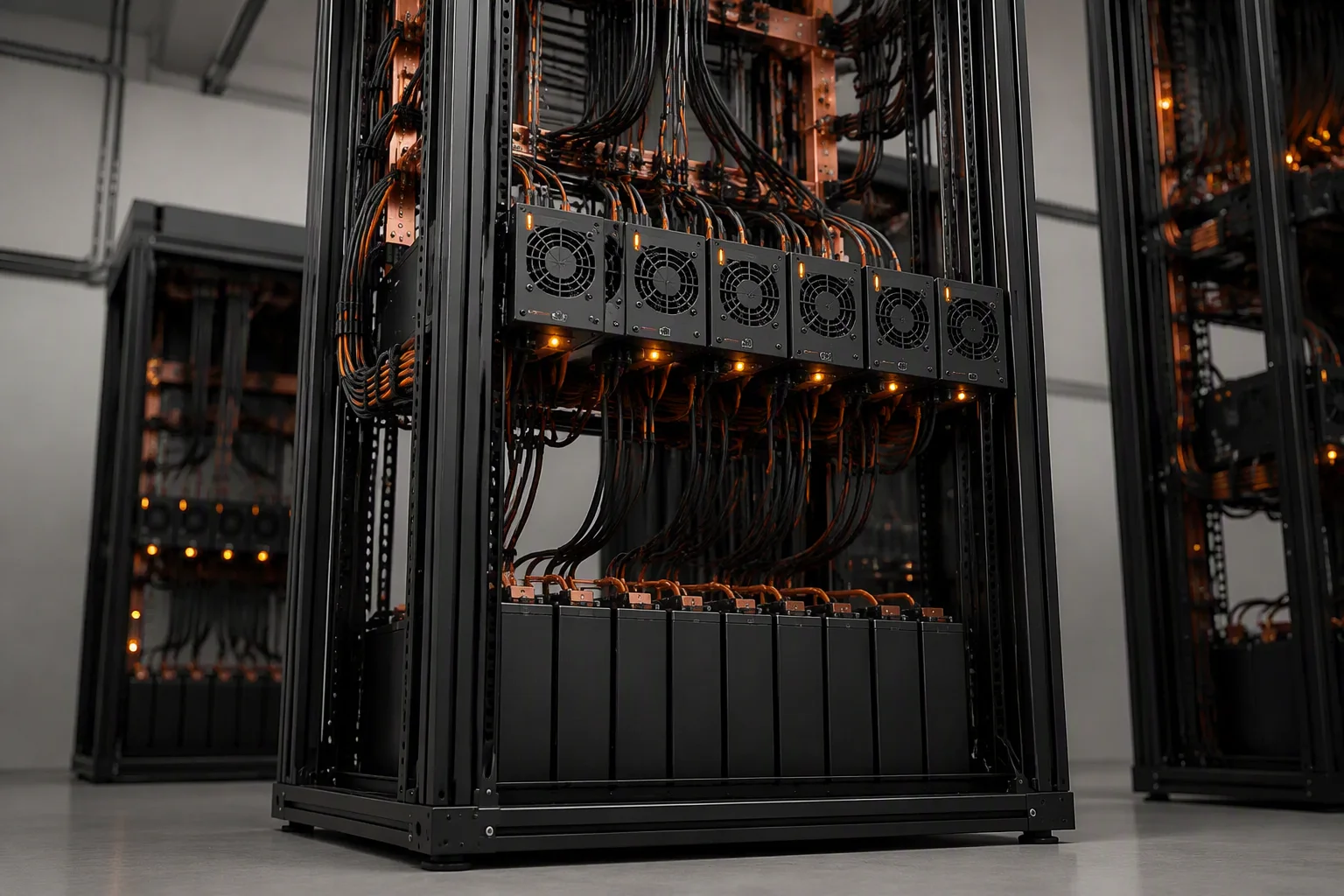
From 7kW to 142kW: Rack Power Density and What It Breaks
Average density jumped 69% to 27kW while NVL72 racks pull 132–142kW. A link-by-link walk of the distribution chain — branch circuits, busway, PDUs, PSUs — and where each rating gives way, plus the retrofit kit that answers.
Read article →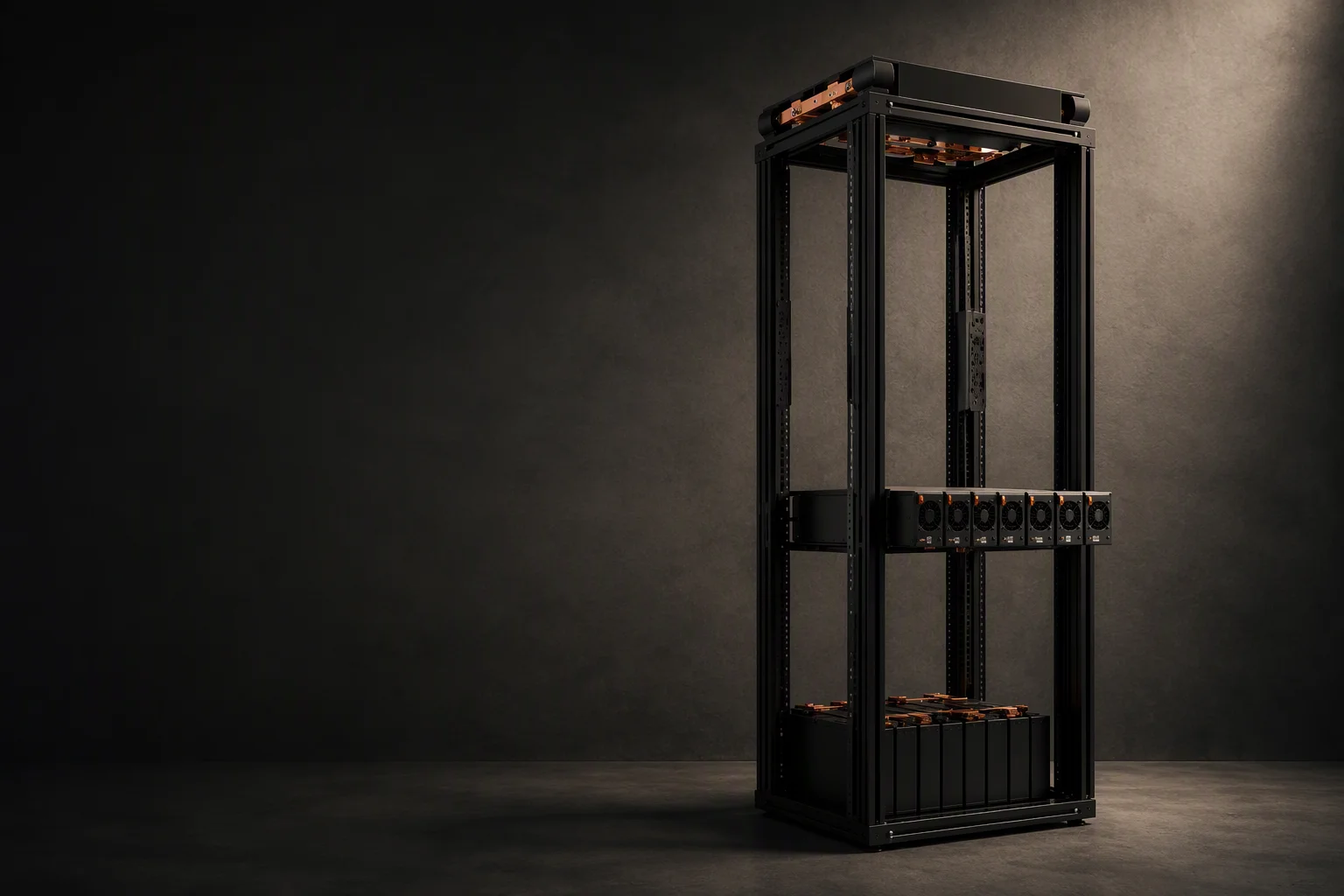
How to Plan Power Density for an AI Rack
kW to amps at 400V three-phase, the 125% continuous breaker rule, and why an unbalanced outlet map can strand 17% of a PDU's capacity — worked through a 142 kW rack, link by link.
Read article →The 800VDC Transition Guide for AI Data Centres
2,630 A at 54V against 177.5 A at 800V: what the DC shift changes for busway, PDU, CRPS shelf and BBU, and the nine questions to put to every vendor before you commit a BOM.
Read article →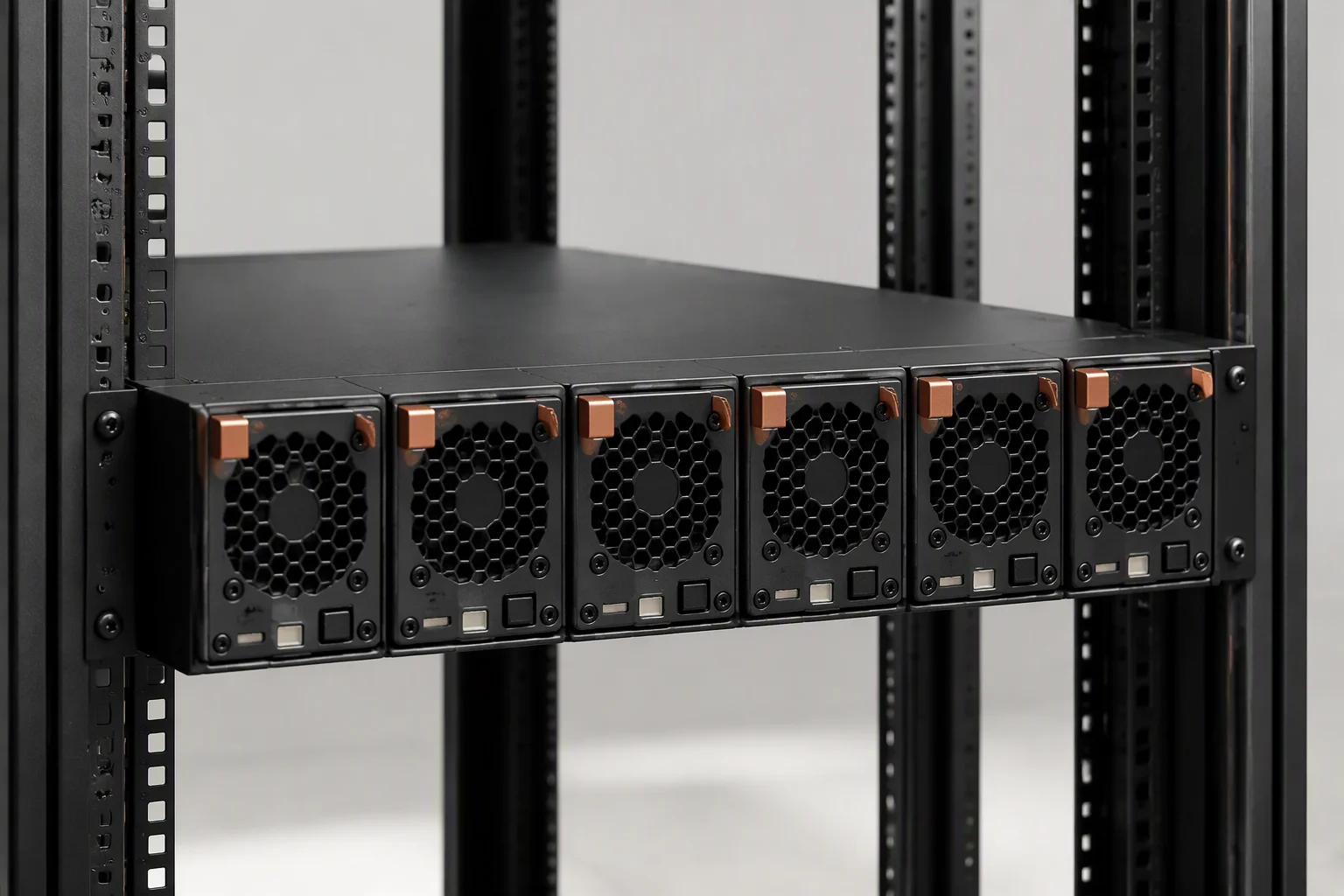
Integrating PDU, BBU and CRPS PSU in One Rack
Seven interfaces, ORv3 alignment, telemetry aggregation across PMBus, CAN and SNMP — and the eight-step commissioning sequence that proves the chain works as a system.
Read article →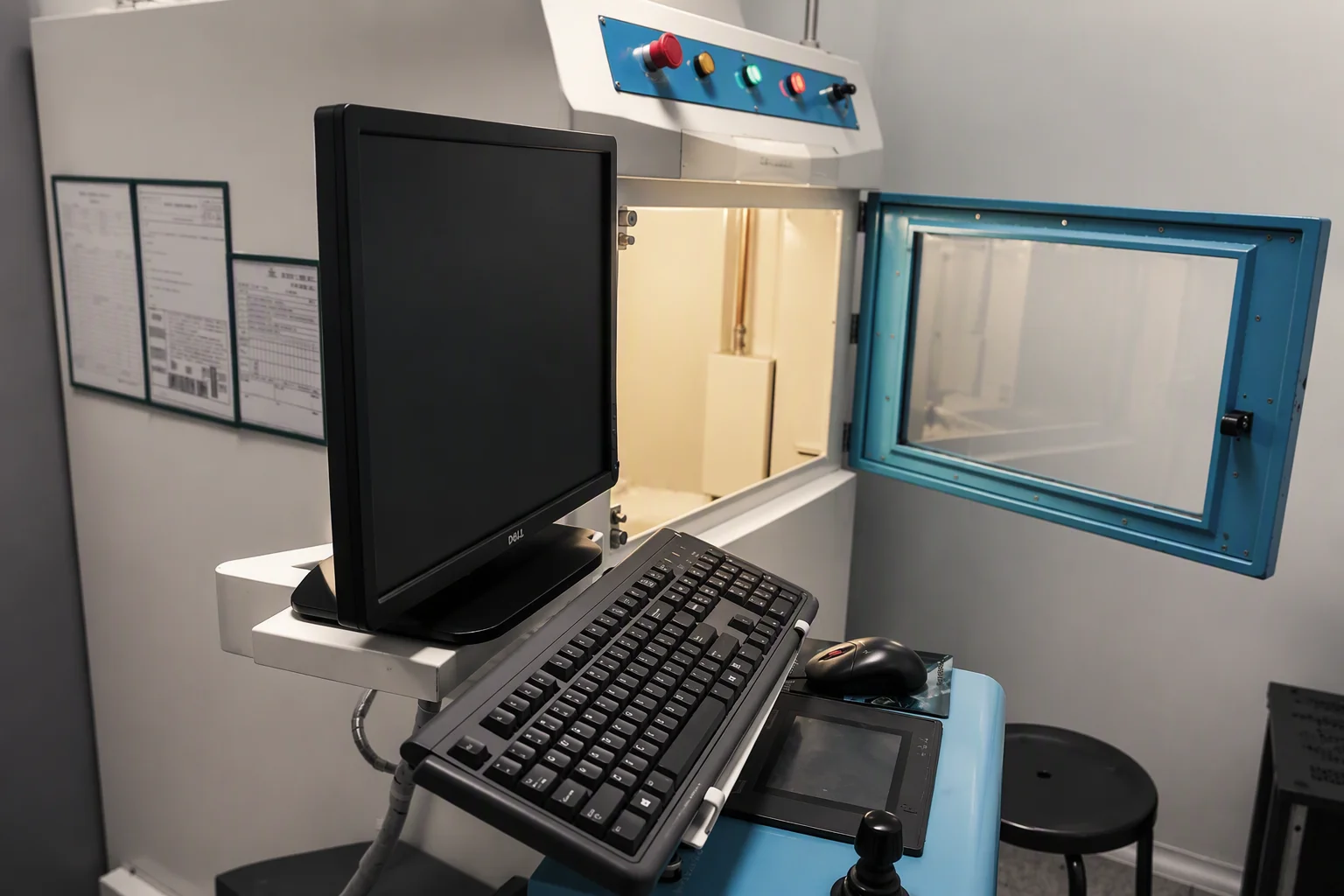
What a 100% Burn-In Programme for Rack Power Involves
Chamber profile decisions, load-banking arithmetic, where defects escape a test programme, and the nine sections a burn-in report should contain before you accept a shipment.
Read article →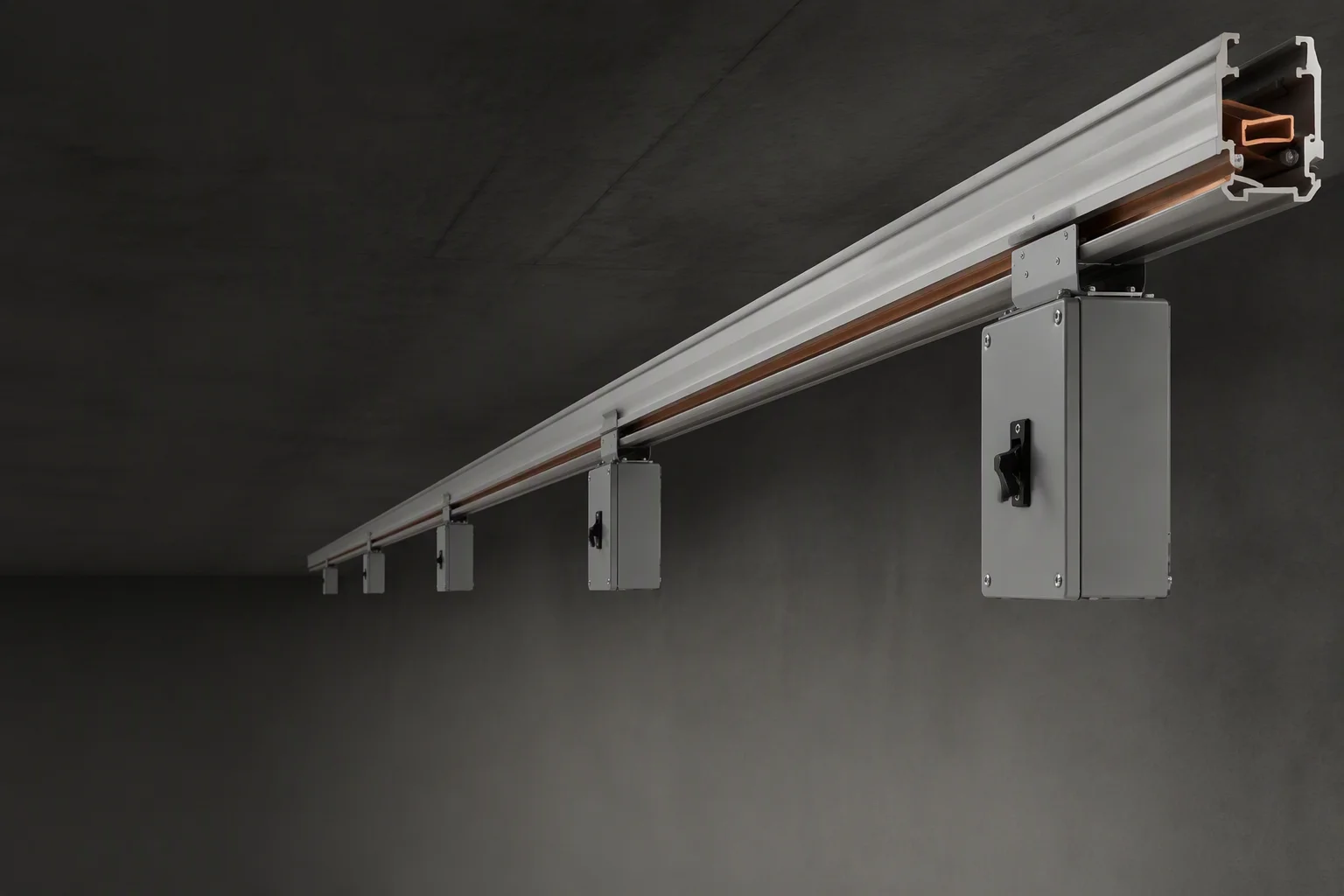
Busway vs Cable Trays in AI Halls
Ampacity derating, tap-off density and the cost of the next change — how many 142 kW racks an 800A track carries, and the halls where cable still wins.
Read article →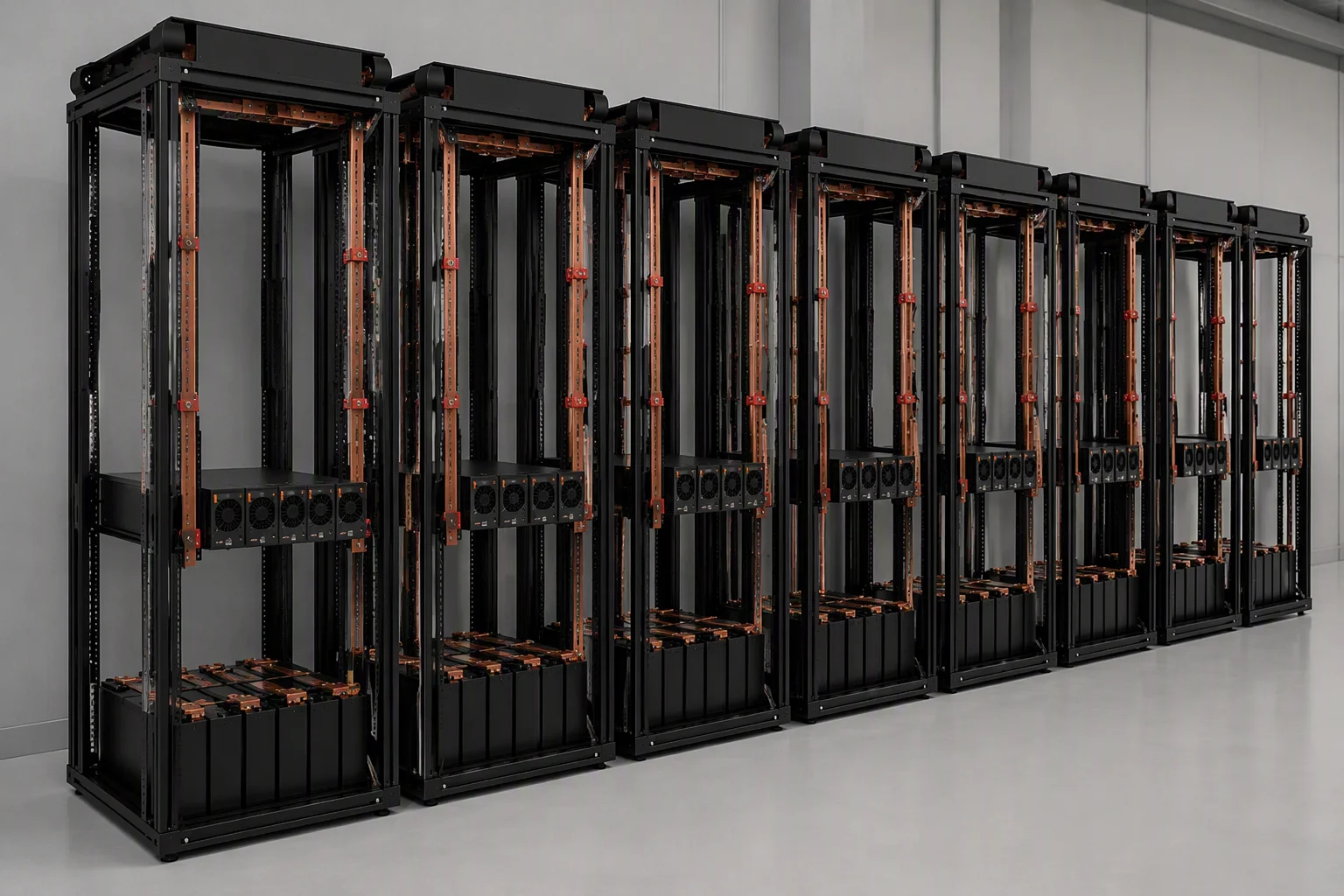
Buying a Whole Rack's Power From One Factory
Mixed-carton logistics, one contract across five lead-time clocks, the export document set for lithium lines, and where single-vendor accountability starts and stops.
Read article →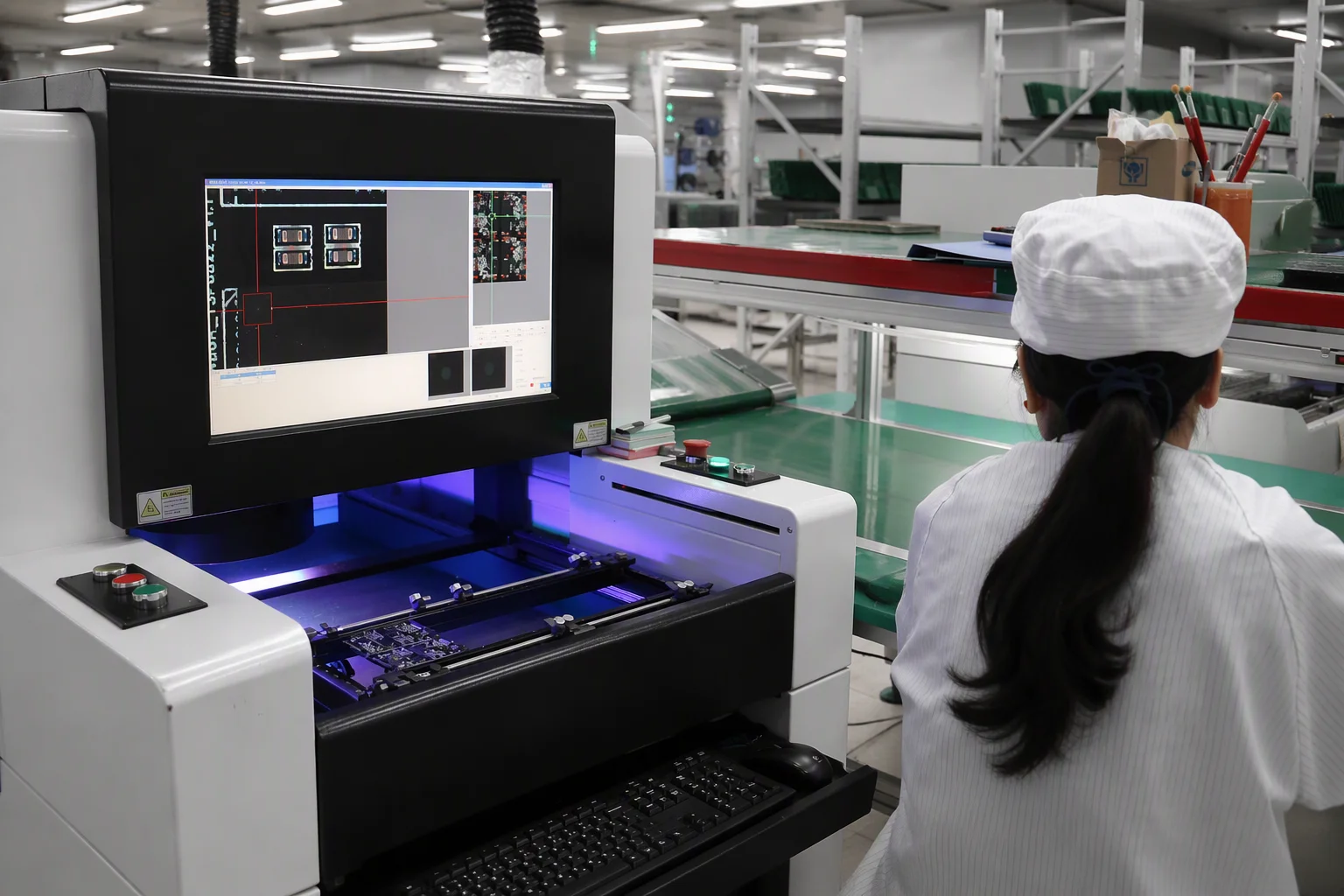
How to Audit an EMS Partner for Rack Power
SMT and AOI/X-Ray capability, test coverage by product line, serial traceability and compliance files — plus the questions to ask on a factory visit.
Read article →COVERAGE
Numbers first, vendor talk second.
Every piece on this desk follows one rule: claims carry their source domain, and the figures come off datasheets or published reference architectures — the same standard our RFQ answers are held to. Disagree with a number? Send your datasheet and we will correct the brief, in the open.
| Brief | Core numbers | Sources cited | Who it is for |
|---|---|---|---|
| 800VDC Power Architecture | 12V → 54V → ±400V/800V · 1–90 min grid gap · ~30% peak shaving | docs.nvidia.com · developer.nvidia.com | Facility engineers specifying GB300-class racks |
| BBU vs Traditional UPS | 33 kW RU BBU · 10 s–2 min genset window · UL 1973 / 9540A / UN38.3 | liteon.com · OCP practice | Reliability teams rethinking backup for rack-dense halls |
| From 7kW to 142kW | 27 kW average (+69%, afcom) · 132–142 kW NVL72 · 160–800A feeds | afcom · moduledge.com · arxiv 2509.07218 | Design consultants planning 2026–2028 white space |
FIELD NOTES