POWER SYSTEMS / SUPERCAPACITOR MODULES
Milliseconds at full current, fifteen years deep.
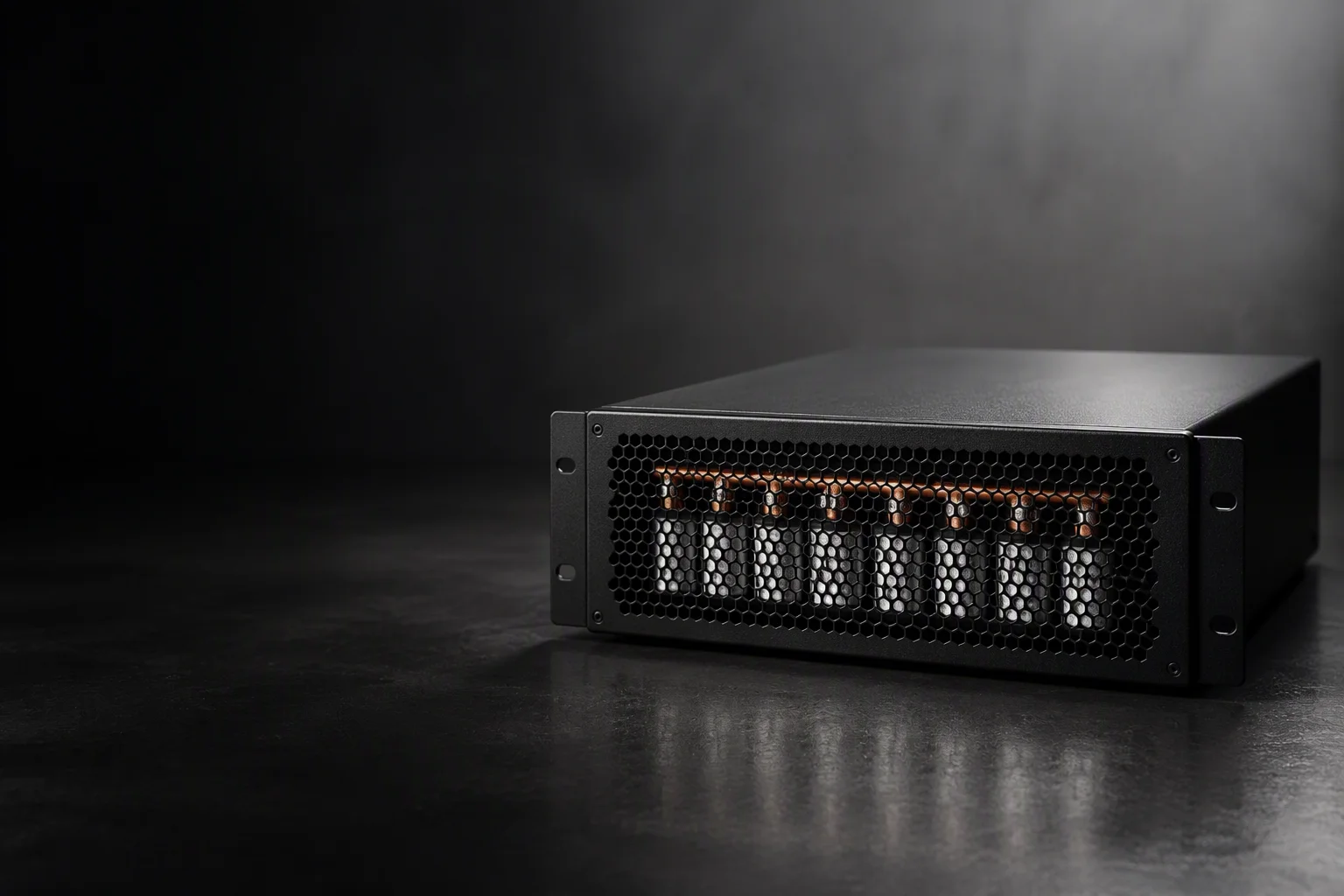
As a supercapacitor module manufacturer for AI racks, VoltFab welds 4.0V 4500F hybrid LIC cells into 48V rackmount units that buffer GPU transients at the DC bus, discharge to 100% DoD and hold specification for roughly 15 years.
SPEC SHEET
| Cell | 4.0V / 4500F hybrid LIC |
|---|---|
| Module | 48V rackmount · 19″ / 23″ |
| Discharge | 100% DoD usable every cycle |
| Temp range | -40 to +65°C |
| Service life | ~15 years · flame-retardant design |
| Role | ms DC-bus current compensation |
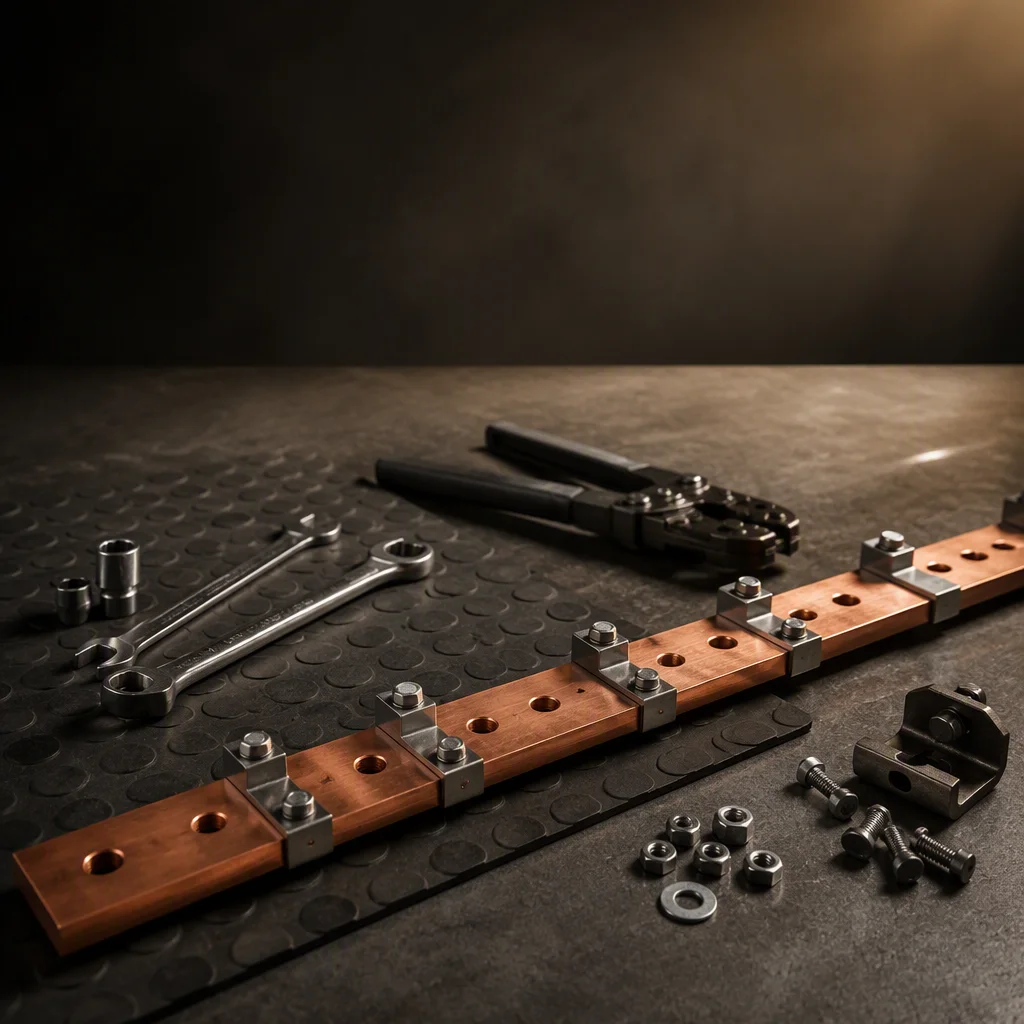
| Build | Automated laser-weld interconnects |
WHY AI RACKS BUFFER
Half the PSU volume is already capacitors.
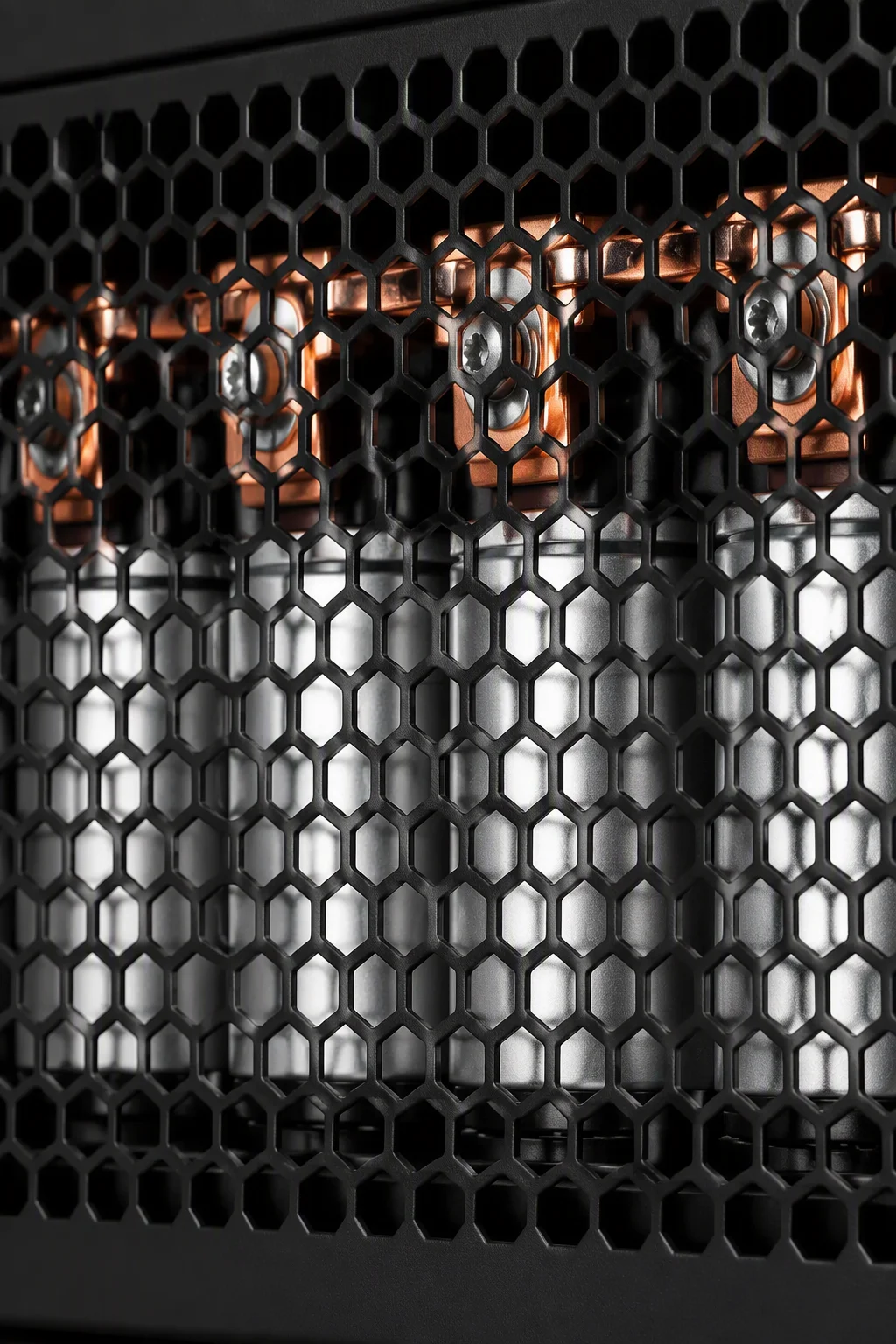
NVIDIA's GB300 design notes put storage capacitors at roughly half the PSU volume — 65 J of buffering per GPU — and credit power smoothing with cutting peak grid draw about 30%. That is the clearest possible signal that the supercapacitor module has become baseline AI-rack hardware: when a training job snaps accelerators on, the bank absorbs the transient before the DC bus sags and before the utility ever sees it.
MODULE SPECIFICATION
From single cell to rackmount module.
Series count, terminal style and telemetry are configured per program; the mechanism below is common to every build.
| Parameter | Specification | Notes |
|---|---|---|
| Cell type | Hybrid LIC, 4.0V 4500F | Lithium-ion capacitor, flame-retardant design |
| Module voltage | 48V DC series stack | Active balancing per cell position |
| Discharge | 100% DoD | Full window usable without cycle-life penalty |
| Response role | Millisecond compensation | Covers DC-bus current gaps LIC-BBU style |
| Cycle life | Hundreds of thousands of cycles | Capacitive mechanism, no lattice wear |
| Calendar life | ~15 years service | End of life = capacitance fade / ESR drift |
| Operating temp | -40 to +65°C | Suits unconditioned edge and industrial sites |
| Form factor | 19″ / 23″ rackmount modules | PSU-embedded banks also supplied |
| Per-rack scale | 300+ cells NVL72-class (typical) | Matched strings shipped pre-grouped |
| Protection | Per-cell over-voltage guard | Plus module temp and voltage telemetry option |
| Interconnects | Automated laser welds | Weld resistance logged joint by joint |
MODULE LINE PATH
Welded, graded, matched, aged.
Cell interconnects welded on automated lines; joint resistance logged for every string position.
Capacity and ESR measured cell by cell; out-of-band parts pulled before they reach a module.
Cells grouped into series strings by delta, so balancing circuits start centered instead of fighting spread.
Finished modules cycle at temperature through the aging room before the QA gate and packout.
INTEGRATION OPTIONS
Three places a supercap bank lands.
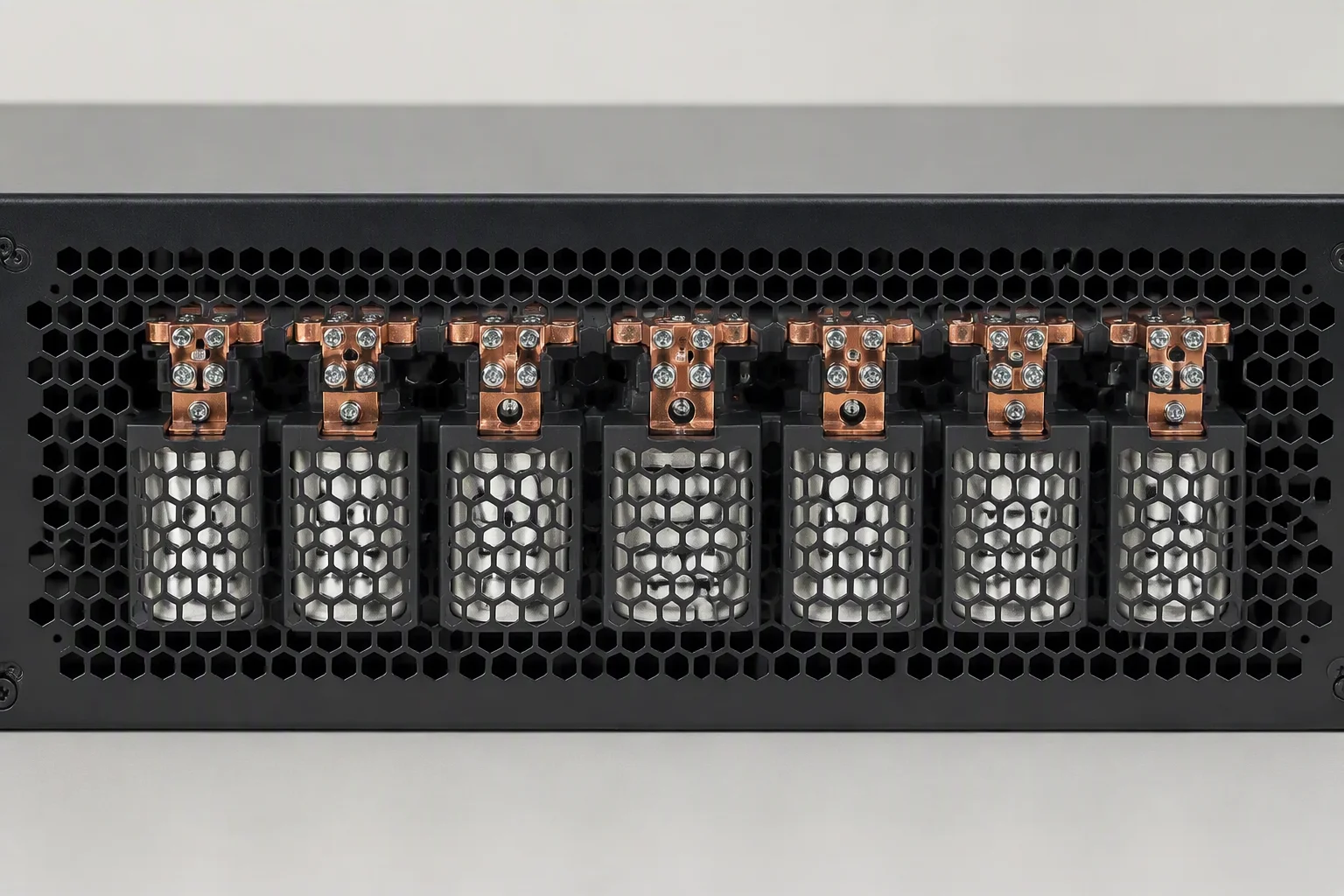
Inside the PSU alongside the CRPS conversion stages, where GB300-class designs already reserve the volume. At the 48V busbar next to BBU shelves, in the dual-layer arrangement where supercapacitors handle milliseconds and the LFP BBU handles seconds. Or as a rack-level bank for the heaviest sways. Whichever placement you choose, modules arrive matched, welded and balancing-trimmed.
FAQ
Supercapacitor questions we hear most.
Why hybrid LIC instead of EDLC or lithium cells?
What does 100% DoD mean in practice?
How long do supercapacitor modules actually last?
How are series strings kept balanced?
SUPERCAPACITOR PROGRAM