POWER SYSTEMS / RACK BBU
Backup that answers in milliseconds.
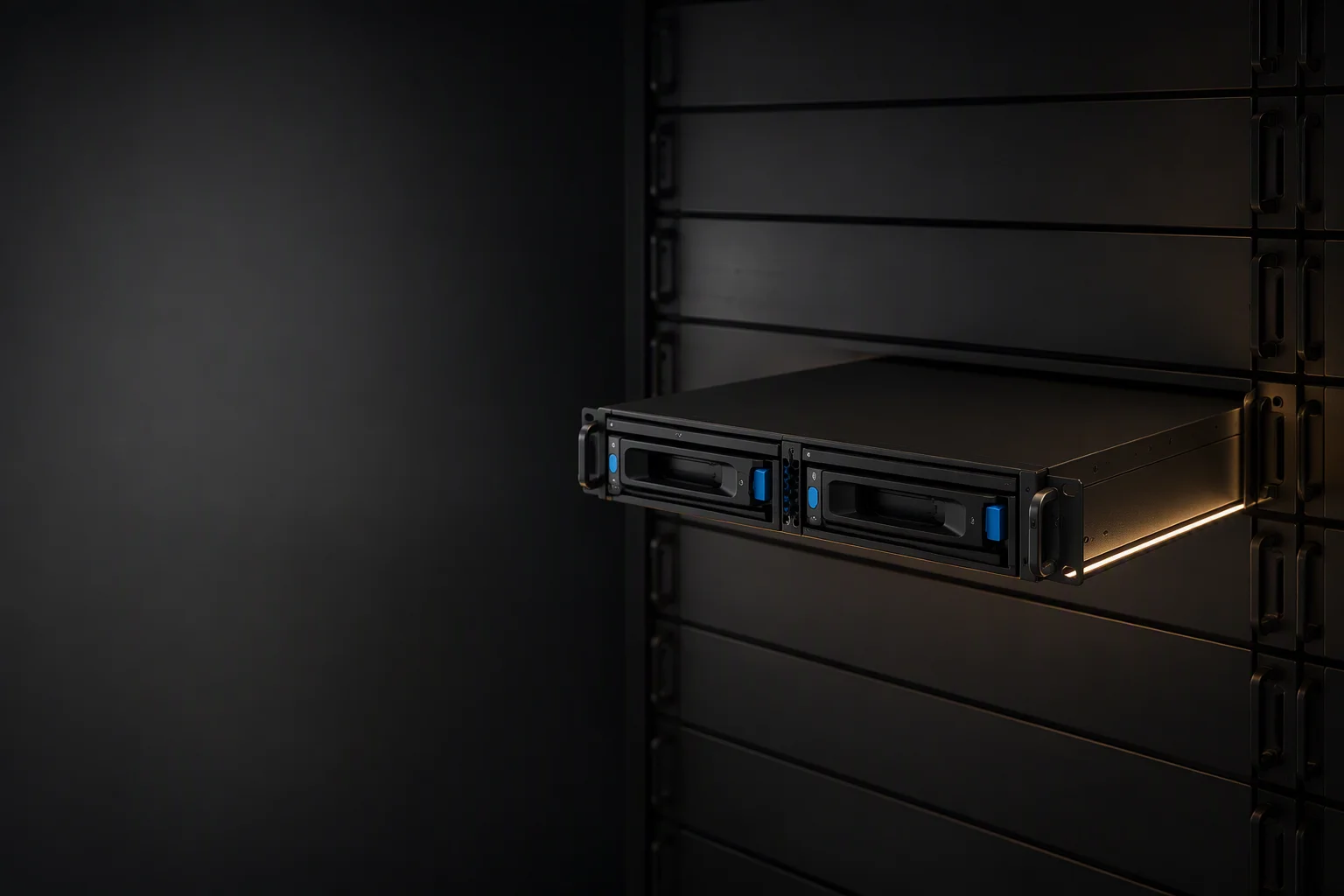
VoltFab is a BBU battery backup unit manufacturer for the rack era: 51.2V LFP modules on the OCP ORv3 48V busbar that bridge grid dips for GB300-class AI racks, certified to UL 1973 and UL 9540A with UN38.3 export documentation.
SPEC SHEET
| Chemistry | 51.2V nominal LFP (LiFePO4) |
|---|---|
| Architecture | OCP ORv3 48V rack busbar |
| Form | RU shelf · cold-plate compatible option |
| Role | ms–s bridging across genset window |
| Cells | 21700 / 18650 LFP, tier-1 supply chain |
| Safety | UL 1973 · UL 9540A |
| Transport | UN38.3 test summary + MSDS |
WHY IN-RACK BACKUP
The grid answers in minutes. GPUs wobble in seconds.
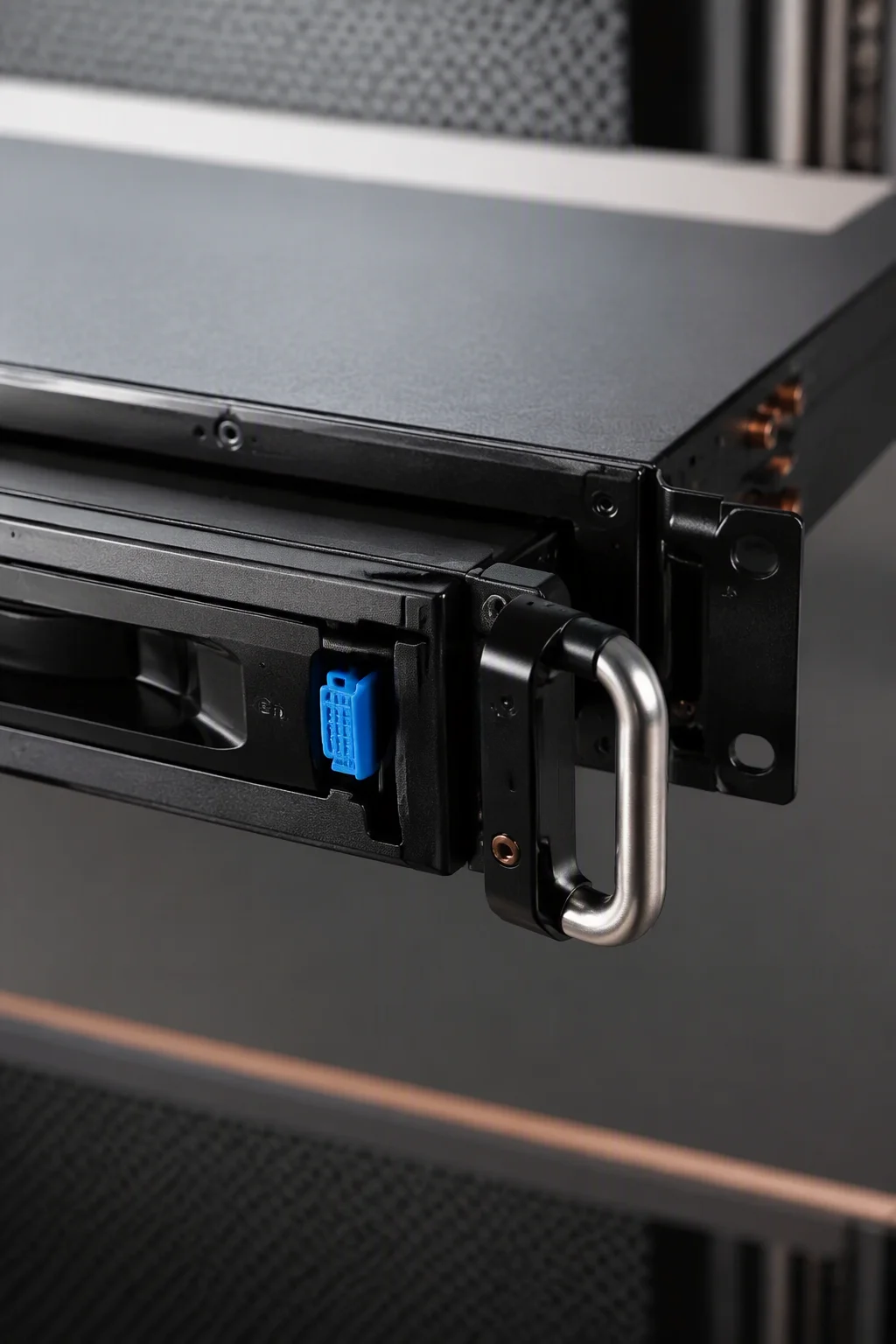
Utility transfers and generator starts take anywhere from 10 seconds to 2 minutes; a large training job moves rack power by tens of kilowatts in under a second. A rack-level BBU sits between those two clocks, absorbing dips and sway at the 48V busbar while the facility chain catches up. The market has already voted on the form factor: LITEON's 33 kW RU-level BBU, cold-plate compatible for GB300 NVL72, is shipping into that ecosystem — and ODM programs like ours follow the same ORv3 playbook.
PLATFORM SPECIFICATION
One BBU platform, ODM-configured.
Module counts, shelf heights and BMS behavior are program parameters — the rows below define the platform every configuration starts from.
| Parameter | Specification | Notes |
|---|---|---|
| Cell format | 21700 / 18650 LFP cylinders | Graded lots from tier-1 cell supply chain |
| Module voltage | 51.2V nominal LFP pack | Series groups with per-pack BMS |
| System bus | 48V DC rack busbar | OCP ORv3 alignment for shelf integration |
| Capacity class | 3–6 kWh per shelf (typical) | Sized per program at rack level |
| Bridging role | ms–seconds across genset start | Covers the 10 s – 2 min facility window |
| Cycle life | 3,000+ cycles typical (LFP) | Calendar design life to match server refresh |
| Redundancy | N+N module groups | Hot-swap shelves, per-module disconnect |
| BMS telemetry | SoC / SoH / cell temps | CAN or RS485 to shelf manager |
| Thermal | Front-to-back airflow | Cold-plate compatible option |
| Safety | UL 1973 · UL 9540A | Battery safety + thermal-runaway evaluation |
| Transport | UN38.3 + MSDS | PI965/PI966 packing docs per shipment |
| Roadmap | 800VDC high-voltage BBU | Dual-layer BBU + supercapacitor architecture |
PACK LINE PATH
From cell lot to export crate.
Incoming LFP lots graded for capacity, internal resistance and self-discharge before a single weld is made.
Interconnects welded on automated lines with pull-force checks logged against every weld parameter.
Formation cycling and capacity grading bin matched groups together so packs start life centered.
Test summary, MSDS and PI965/PI966 packing documentation assembled for each destination market.
ODM OPTIONS
Tuned to your shelf manager, not ours.
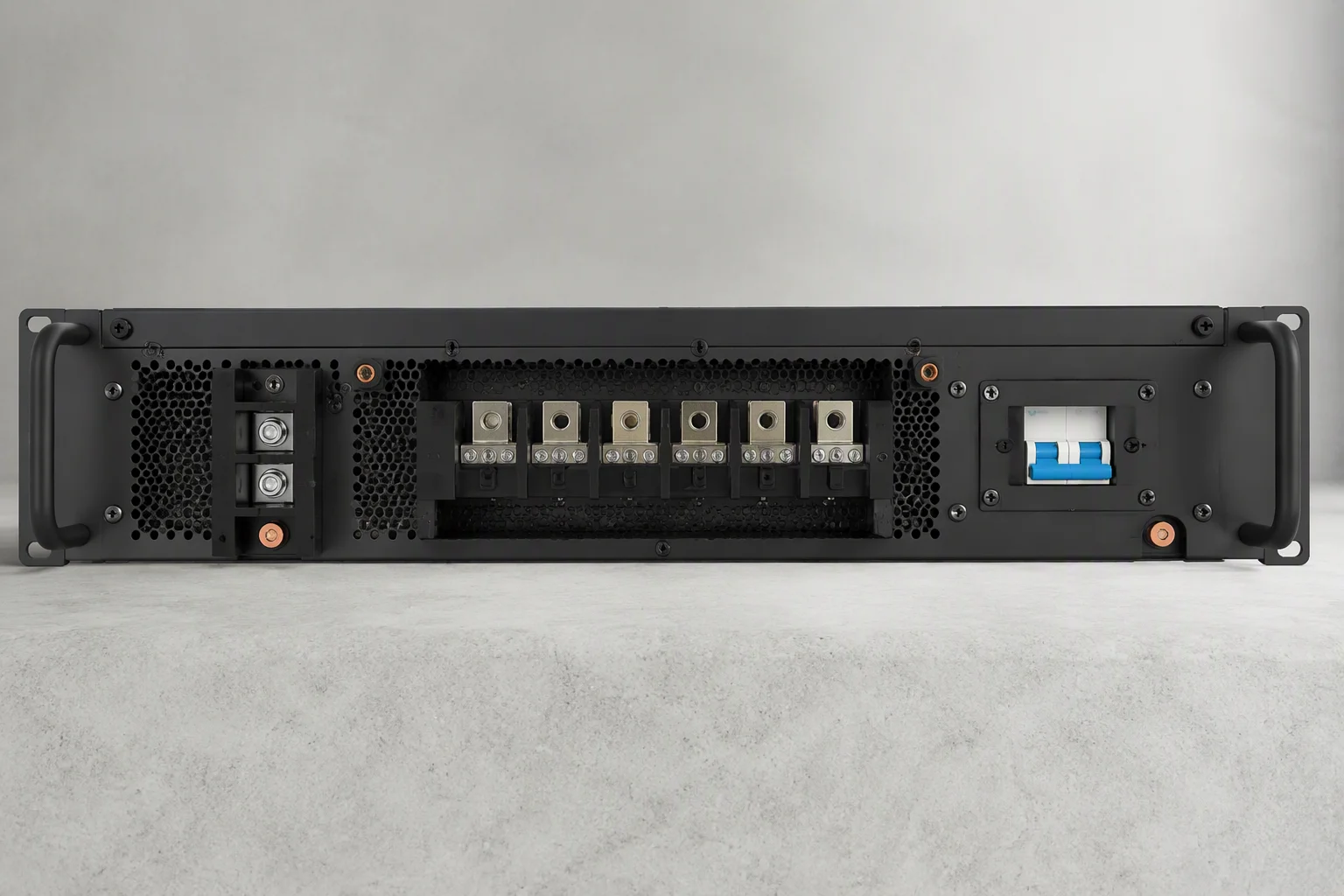
BMS protocol maps — CAN frame layouts or RS485 Modbus registers — are configured during the pilot so your shelf manager sees telemetry it already knows. SoC windows and charge limits are set to your dispatch policy. Placed beside our CRPS power shelves, BBU bays share one commissioning record; for the 800VDC generation the same line pairs BBU with supercapacitor modules in a dual-layer buffer.
FAQ
BBU questions we hear most.
Why a rack BBU instead of a room-scale UPS?
What do UL 1973 and UL 9540A actually cover?
How much runtime does a rack BBU provide?
Can LFP BBU modules ship internationally?

BBU PROGRAM